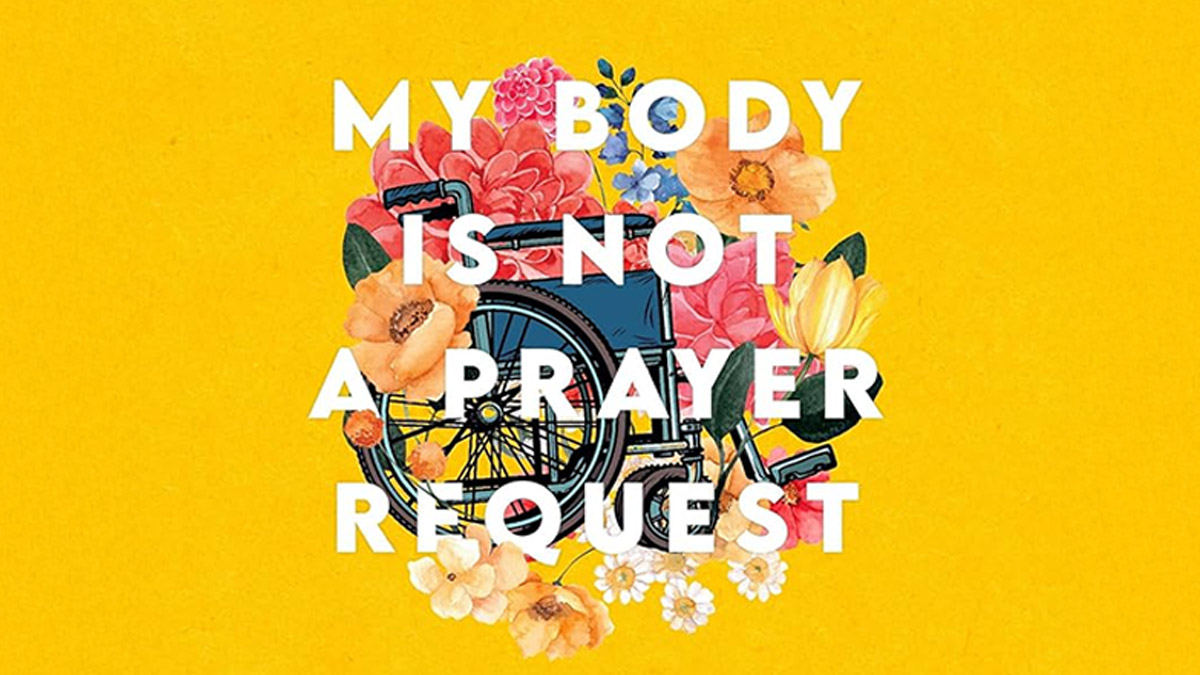
Amy Kenny’s My Body Is Not a Prayer Request: Disability Justice in the Church is a thought-provoking book and worth a read. Kenny confronts head-on the assumptions, prejudices, and theological blind spots the church often holds toward disabled people. She refuses to let us hide behind polite intentions, reminding us that “to assume that my disability needs to be erased in order for me to live an abundant life is disturbing.” Her disabled body, she insists, is not a tragedy or a defeat but “a temple for the Holy Spirit.”
I appreciated how she reframes disability in biblical and theological terms. “Maybe we need to be freed not from disability but from the notion that it limits my ability to showcase God’s radiance.” That line captures the heart of her critique: the real problem is not disability but ableism, the system that decides some bodies are worth more than others.
Kenny challenges churches that claim to be welcoming but still create segregated ministries, fight against accessibility, or view accommodations as an act of charity instead of justice. She points out that when churches fought against the Americans with Disabilities Act, the message was clear: “we are simply not worth the cost.” That history is sobering, and it should make all of us stop and examine how our own communities reflect or resist ableism.
Throughout the book, Kenny weaves in the biblical truth that “disability acts as a method for revealing the living God to the community.” Disabled people are not objects of pity but prophetic witnesses calling the church to a deeper vision of healing, wholeness, and inclusion.
This book is a needed resource for the church. As Kenny concludes, “My disabled body reflects God’s radiance,” a theology that will greatly benefit the church at large in its efforts to become the kingdom of God on earth.
Leave a Reply