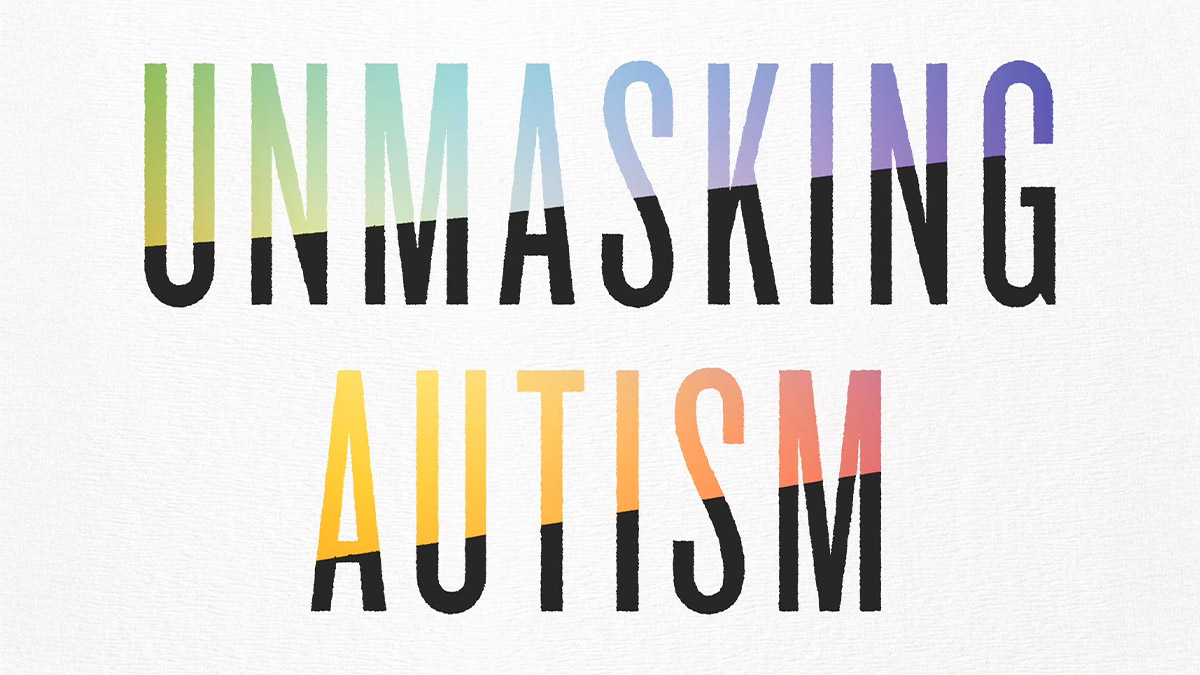
This past week I read Devon Price’s Unmasking Autism: Discovering the New Faces of Neurodiversity as part of my effort to better understand and pastor the kids in our student ministry who are impacted by autism. This book was both personal and practical, combining Price’s own story with research and insights that helped me gain understanding while also letting me know I have a lot more to learn.
One of the central ideas is that autism often goes unnoticed not because it’s “milder” in some people, but because many learn to mask it as a way of surviving in a world that doesn’t make room for their differences. Price puts it bluntly: “Refusing to perform neurotypicality is a revolutionary act of disability justice. It’s also a radical act of self-love.” So many students may be carrying the weight of masking just to get by.
The book explains how autistic people process the world in a bottom-up, detail-oriented way, the opposite of how neurotypical people do. Instead of relying on quick shortcuts or “gut feelings,” they carefully piece things together. That can mean they’re hyperaware of small sensory details while struggling to filter out what doesn’t matter. It’s not a weakness; it’s simply a different way of engaging the world.
Price also names the painful reality of sensory overload: when sounds, lights, or even emotions pile up, it can feel like physical pain. Recognizing this helps me understand that meltdowns or shutdowns aren’t overreactions; they’re responses to real, overwhelming experiences.
I appreciated Price’s honesty about the cost of constantly trying to “fit in,” and the call for communities to make space where autistic people feel safe enough to unmask. As a pastor, that challenges me. Our student ministry should be a place where kids don’t have to hide who they are to belong.
Unmasking Autism got me a few steps closer to language, compassion, and practical insights I need as I walk alongside students. I’m glad I read it and look forward to reading more on the subject.
Leave a Reply